


In healthcare facilities, bathroom design is evolving rapidly to meet the needs of hygiene, safety and comfort. The latest trends not only improve aesthetics, but also functionality, ensuring healthier and more welcoming environments for patients and staff. Here is an analysis of the main current trends in public and private bathroom design in healthcare facilities.
1. Touchless technology
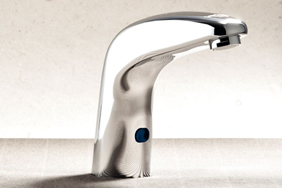
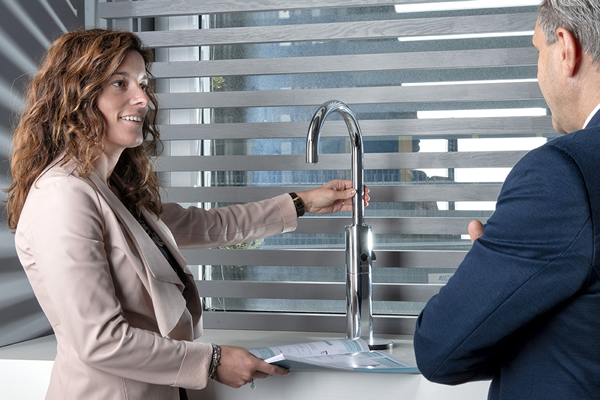
The adoption of touchless technology is one of the most relevant trends. Sensor-controlled taps, soap dispensers, hand dryers and flushers reduce physical contact, limiting the spread of germs and bacteria. These devices not only improve hygiene, but also offer a more comfortable and modern user experience.
2. Antimicrobial materials
The use of antimicrobial materials is becoming commonplace in sanitary bathrooms. Surfaces made of Rielsan, brass and specific metal alloys can inhibit the growth of microbes. In addition, antimicrobial coatings on ceramics and other surfaces ensure a more hygienic and easy-to-clean environment.
3. Ergonomics and Accessibility
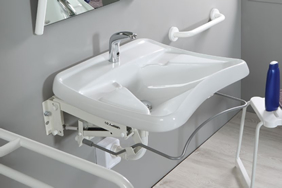
Inclusive design is essential in healthcare facilities. Bathrooms designed to be accessible to everyone, including people with reduced mobility, are essential. Elements such as grab bars, supports and height adjustable sinks improve accessibility and independence for patients.
4. Intelligent Flushing Systems
Automatic flushing systems with adjustable timers prevent water stagnation, reducing the risk of bacterial growth. These systems, often integrated with motion sensors, ensure that rinsing takes place regularly, keeping the drinking water cleaner.
5. Biophilic design
Biophilic design, which integrates natural elements into interior spaces, is a growing trend. The use of plants, natural materials and natural light in sanitary bathrooms can improve the psychological well-being of patients, creating a more relaxing and welcoming environment.
6. Personalisation of Spaces
Customisation is an emerging trend. Healthcare facilities are adopting modular designs that can be adapted to the specific needs of each facility. This flexibility makes it possible to optimise available space and better meet the needs of patients and caregivers.
7. Energy Efficiency and Sustainability
Sustainable solutions are increasingly sought after. The installation of energy-efficient taps and showers, LED lighting and the use of recycled materials help to reduce the environmental impact of healthcare facilities. In addition, the intelligent management of water and energy resources is a priority to ensure long-term sustainability.
The design of bathrooms in healthcare facilities is evolving to meet growing demands for hygiene, safety and comfort. The latest trends aim to create healthier, more accessible and welcoming environments for all users. Adopting these innovations not only improves the quality of spaces, but also contributes to the overall well-being of patients and staff. Idral, with its range of advanced and customisable products, is ready to support these new trends, offering state-of-the-art design solutions for modern healthcare facilities.